

Art & Music Therapy
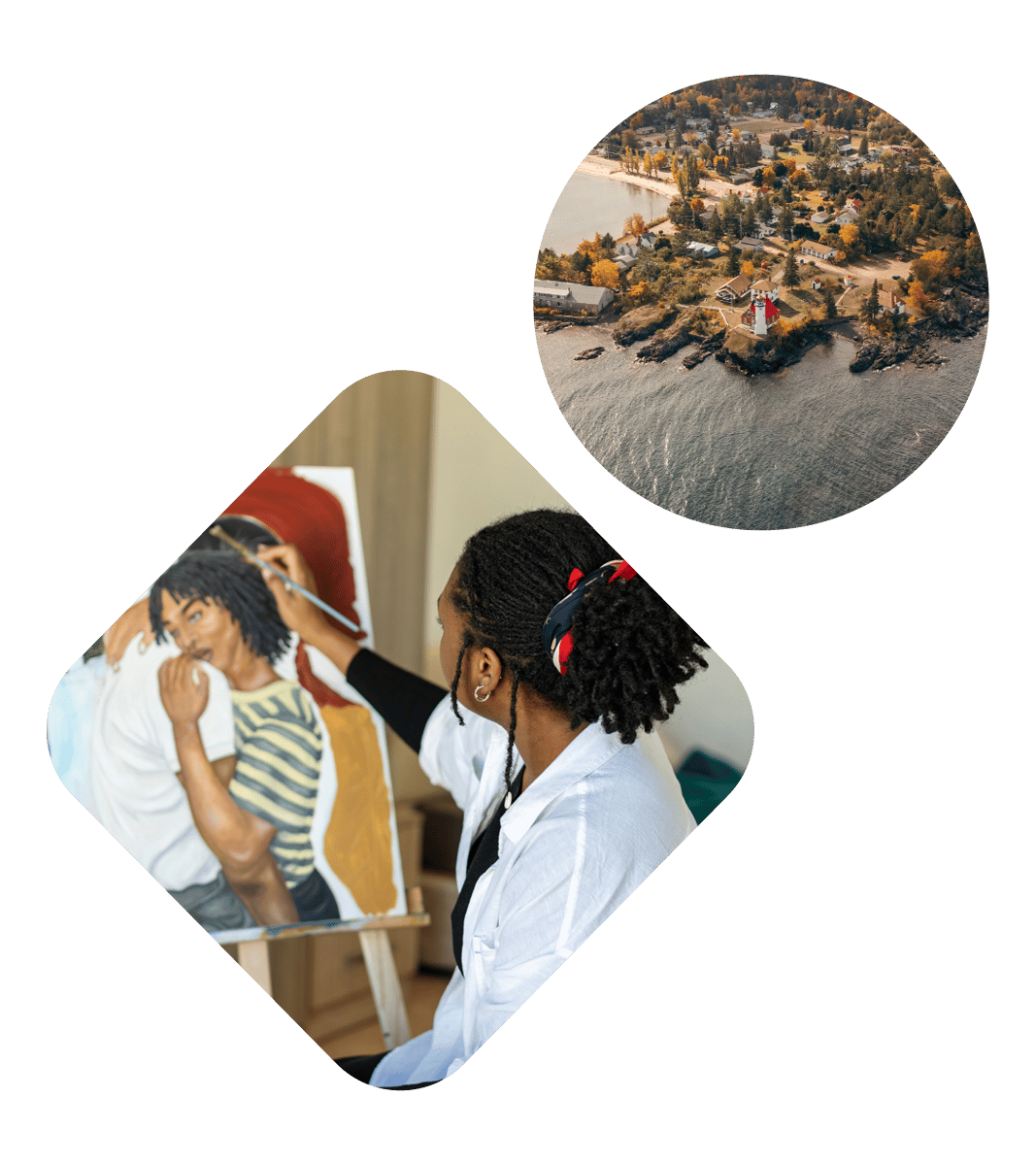
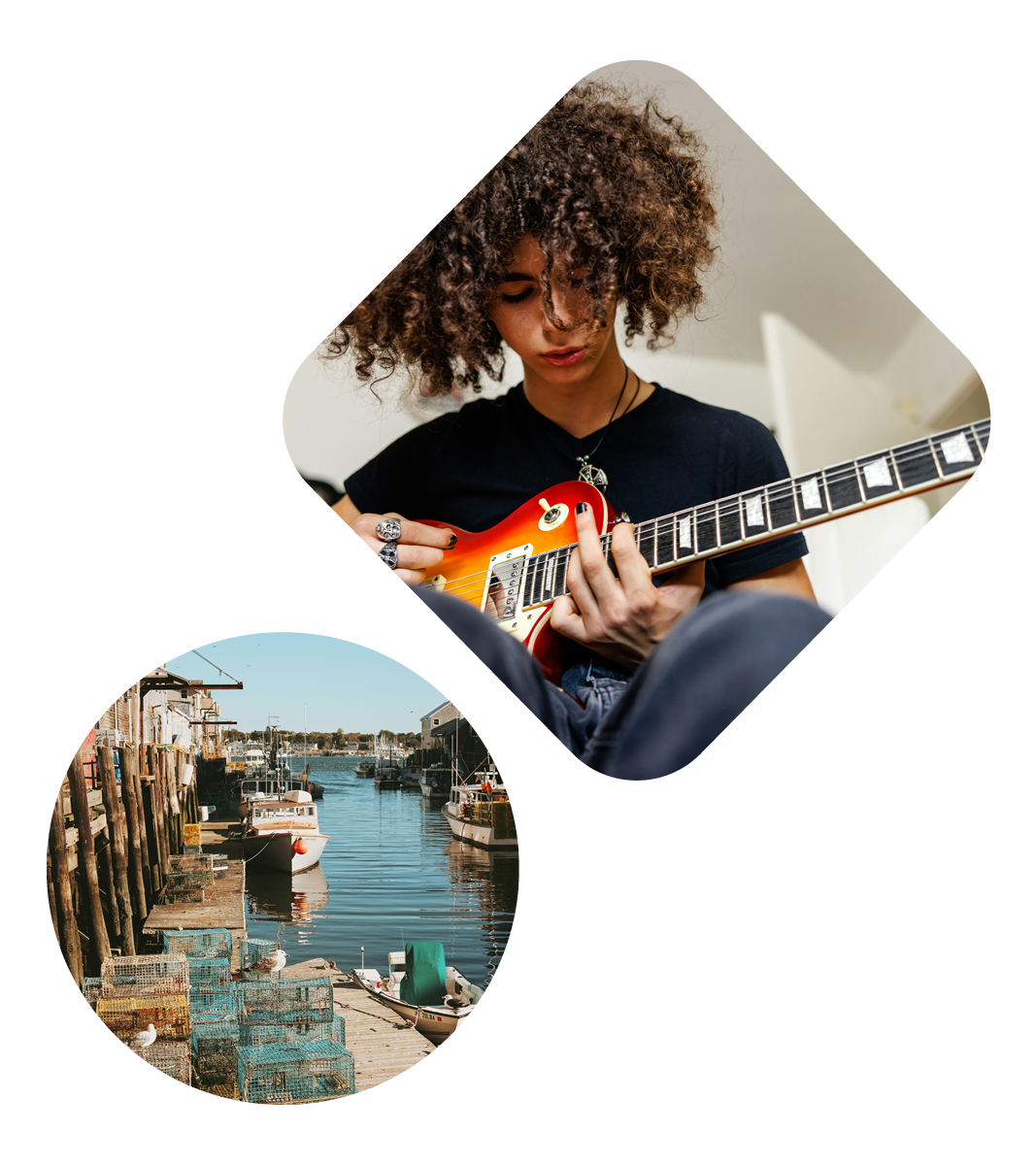
Art and music therapy offer a unique avenue for self-expression and emotional exploration. Through painting, sculpting, playing instruments, or composing music, clients engage the senses and explore identity in a safe, supportive environment. These modalities help build confidence, foster self-esteem, and cultivate a sense of mastery, especially for clients who find traditional conversation a difficult way to process complex feelings.
We partner with Songbird Services for in-residence sessions on a monthly basis with a Board Certified Music Therapist (BC-MT). We also work with a rotating community art therapy provider, with sessions focused on understanding self and connecting with others.

Somatic Movement Therapy
Somatic movement therapy helps clients reconnect with their body as a source of information, not just a source of overwhelm. For young adults navigating atypical sensory responses or alexithymia, where emotions can be difficult to identify or name, movement offers a direct path to noticing and processing what's happening internally before words are available. Through guided movement practices, clients build body awareness, release stored tension, and develop a more regulated relationship with their nervous system.
This work supports clients in recognizing early signs of stress or dysregulation in their bodies, giving them tools to respond before a moment becomes a crisis.

Social & Emotional Skill Groups
Social and emotional skill groups give clients a structured, low-stakes setting to practice the interpersonal skills that often go unaddressed in traditional treatment. Groups focus on real-world social navigation: reading social cues, managing conflict, setting boundaries, and building the kind of authentic connection that masking can make difficult to access.
These groups are skills-focused rather than purely process-based, giving clients concrete practice and immediate feedback in a community of peers who understand similar challenges. Over time, clients build the confidence to bring these skills into relationships, work, and daily life outside the program.